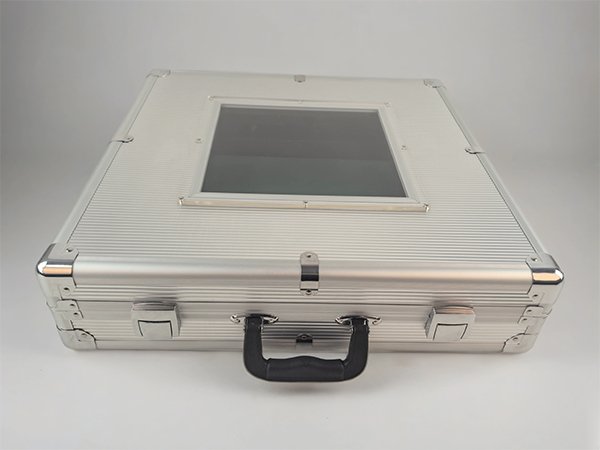
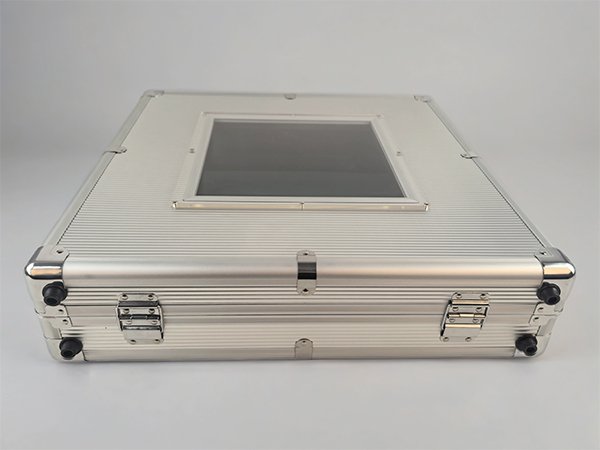
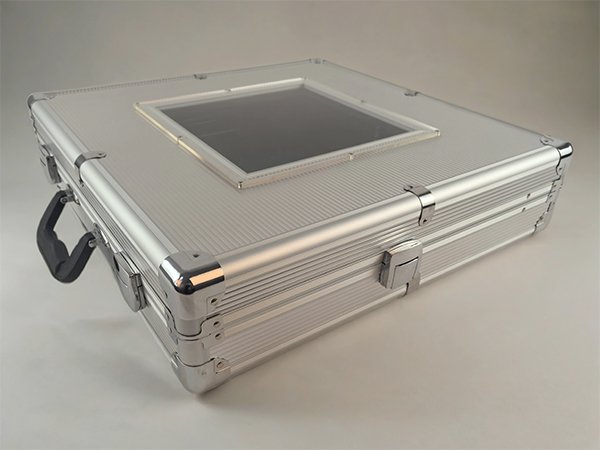
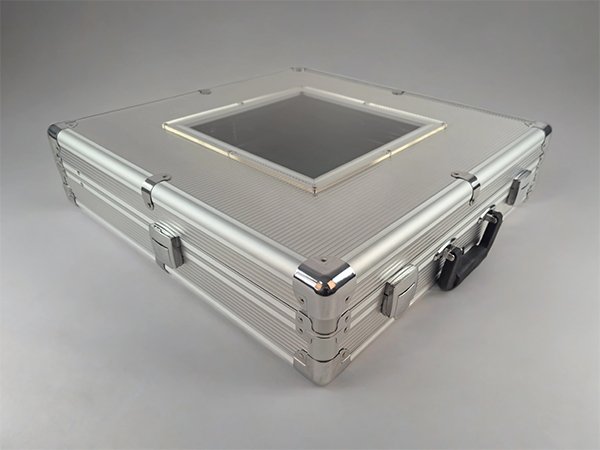
Stop Compromising. Start Using Custom Aluminum Cases.
In the journey from concept to mass production, packaging is often treated as an afterthought. But experienced engineering teams know this very well: a well-designed custom aluminum case can make prototype testing, customer demos, and small-batch trial builds much smoother—and much cheaper.
In this article, we’ll look at why more and more companies are choosing aluminum case solutions instead of traditional ABS plastic boxes, and how a properly designed custom aluminum equipment case can support your product through R&D, testing, and early-market stages.
1. From Prototypes to Small-Batch Builds: Why Aluminum Is More Cost-Effective
During early development—engineering samples, functional validation, EVT/DVT, small-batch trial runs—teams often face the same set of problems:
Quantities are low, but packaging still needs to look professional
Product dimensions are not yet fully frozen
They want plastic cases, but don’t want to invest in expensive molds too early
This is exactly where a custom aluminum case shines:
No mold cost required
Unlike ABS plastic cases, aluminum cases do not require injection molds. This makes them ideal for dozens or hundreds of units instead of tens of thousands.Case size can be fully customized
The case dimensions can be designed according to your actual device or 3D drawing—no more boxes that are “too big and wasteful” or “too small and unusable.”Flexible structure for ongoing design changes
As your product evolves, you can adjust the case size or internal foam layout without scrapping a mold and starting over.
For products that are still under active development, choosing a custom aluminum equipment case is often a smarter and lower-risk strategy than investing in plastic tooling too early.
2. Multiple Surface Material Options: Looks and Performance Can Coexist
When people hear “aluminum case,” many imagine a classic silver metal case and nothing more. In reality, modern custom aluminum case solutions are highly versatile in appearance and can be tuned to match brand image, usage environment, and durability needs.
Common exterior surface options include:
ABS laminated aluminum panel
Lightweight and modern-looking
Great for sample kits and demo units, e.g. aluminum prototype case
Fire-retardant board aluminum case
Better suited for labs or environments with stricter fire safety requirements
Often used for test instruments and lab equipment
Anodized aluminum sheet case
Strong metallic appearance with optional colors
Perfect for high-end devices and precision instruments that require a premium look
Powder-coated aluminum case
Excellent scratch and wear resistance
Ideal for industrial environments and frequent transport
With these combinations, you’re not stuck with a generic “toolbox look.” Instead, you can create a custom aluminum case that matches your brand identity and application scenario.
3. Flexible Internal Foam: Protection, Organization, and Presentation in One
A truly professional aluminum protective case is not just about the shell—it’s about the inside.
3.1 Custom-Cut Foam for Precise Protection
Inside the case, we typically use high-density EVA or PU foam, which can be:
Precisely cut to match the contour of your device
Stacked in multiple layers (device on top, accessories below)
Designed with dedicated areas for cables, sensors, adapters, and tools
This works especially well for:
Test modules and measurement instruments
Lab and medical devices
Robotic joints, actuators, and controllers
High-value, fragile or oddly shaped components
By using custom foam for aluminum case, every critical part has its place—protected, organized, and easy to access.
3.2 Better Experience in Transport and On-Site Use
A well-designed foam layout brings multiple benefits:
Prevents parts from shifting or colliding during transport
Makes it easy for engineers to find and return items during on-site work
Greatly improves the professional impression during demos and customer visits
For teams that frequently travel for demos or on-site debugging, a well-organized aluminum tool case is not just packaging—it’s a mobile workstation and presentation kit.
4. Aluminum Case vs. ABS Plastic Case: Where Is the Real Advantage?
When new customers approach us, one of the most common questions is:
“Should I choose an ABS plastic case or an aluminum case?”
Based on project stage and typical needs, aluminum cases are usually more suitable if:
✅ Your product is still being updated and refined
✅ Your batch size is small (dozens or hundreds of units)
✅ You don’t want to invest heavily in plastic molds at the beginning
✅ You need packaging that looks more professional and better represents your brand
Here’s a simple comparison:
| Item | ABS Plastic Case | Aluminum Case (Aluminum Case) |
|---|---|---|
| Mold cost | Required; mold cost is high | No mold required |
| Small-batch flexibility | Poor; cost hard to justify in low volumes | Excellent for prototypes & small-batch production |
| Size flexibility | Limited by mold design | Fully customizable case dimensions |
| Design change flexibility | Difficult; may require new mold | Adjust size or foam layout with minimal disruption |
| Look and brand perception | Feels more “consumer plastic” | More professional, industrial, and high-tech |
For R&D builds, engineering samples, demo units, and small pilot runs, a custom aluminum case or aluminum equipment case often offers a much better balance of cost, flexibility, and image.
5. Ideal Industries and Typical Use Cases
Custom aluminum case and aluminum instrument case solutions are particularly popular in:
Semiconductor devices and testing modules
Precision measurement and lab instruments
Medical devices and portable diagnostic equipment
Industrial automation and robotics components
High-end consumer electronics prototypes
Engineering teams that travel frequently for demos and field work
Common applications include:
Packaging and protecting small-batch trial products
“Mobile lab” kits for field testing and service engineers
Sample aluminum case / demo kit case for trade shows and customer visits
Branded display cases for core components and subassemblies
With options like aluminum equipment case, aluminum protective storage case, and custom aluminum prototype case, you can create a packaging system that fits both your technical requirements and your marketing goals.
6. Conclusion: Choosing the Right Case Is a Smarter Investment Than It Looks
In many projects, the case is treated as a minor detail. But for products with long development cycles, high precision, and frequent travel or on-site testing, a well-designed custom aluminum case can make a tangible difference in:
Protection and reliability
On-site efficiency for engineers
Brand presentation in front of customers and investors
Overall development and packaging cost
By leveraging:
Fully customized case dimensions
Multiple exterior material options (ABS panel, fire-retardant board, anodized aluminum, powder-coated aluminum)
Freely configurable internal foam layouts
No mold cost and excellent small-batch flexibility
you can build a complete aluminum case solution that supports your product from prototype to pilot run—and beyond.
Looking for a Custom Aluminum Case for Your Product?
If you’re working on a new device and need a custom aluminum case, aluminum equipment case, or aluminum tool carrying case, we can help you:
Evaluate your requirements and recommend a suitable structure
Design the internal foam layout around your components
Produce small-batch or larger volume custom aluminum protective cases
Share your device dimensions, usage scenario, and quantity requirements, and we’ll work with you to build the right solution.