
Custom case supplier | OEM project support
An aluminum flight case is the foundation of secure, efficient equipment transport. To select the right one, start by defining your equipment's exact dimensions, spatial requirements, and installation needs. This ensures the case matches your real-world application, protecting your gear and streamlining handling.
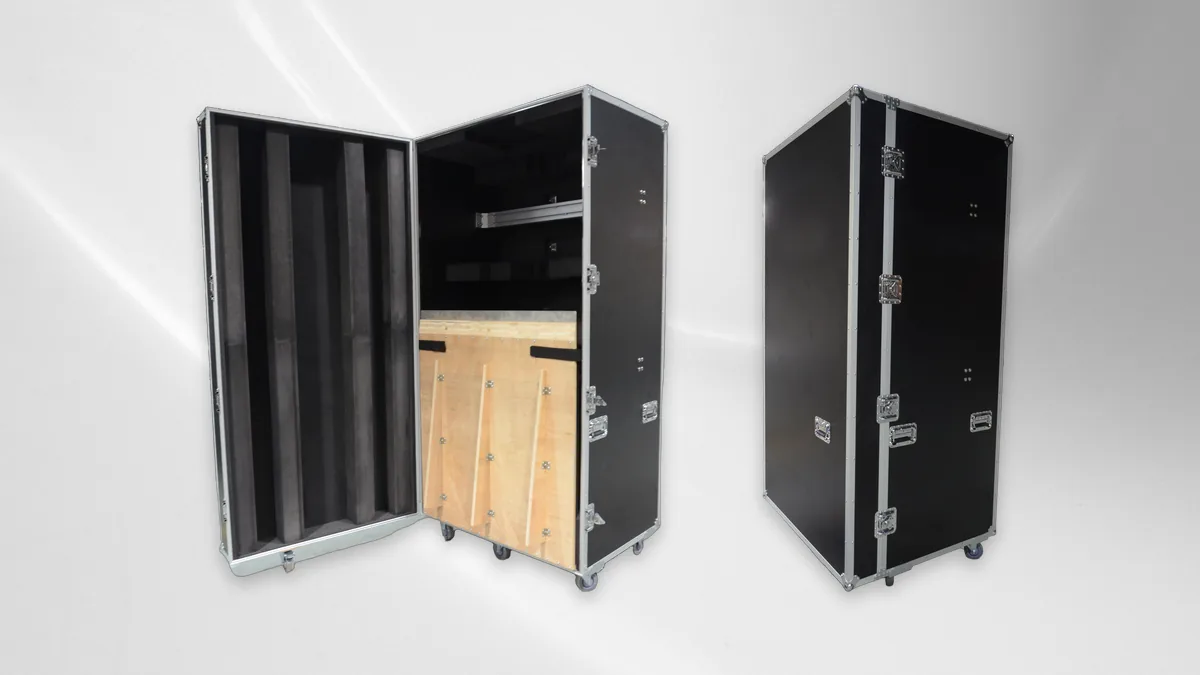
Equipment Dimensions Verification
Specify the weight and dimensions of your equipment during the RFQ, and detail any installation or disassembly requirements. This ensures the supplier can deliver a design that matches your actual needs.
Measure Equipment Height
Measure the height of your equipment by determining the vertical distance from the top to the bottom of the device, and note any protrusions to ensure proper internal space in the aluminum flight case. Review the design drawing to confirm that the vertical clearance between the equipment and the case is appropriate.
Confirm the Equipment's Length and Width
Measure the length and width of the equipment at its widest point to ensure it fits horizontally. If the equipment has protruding parts, take additional measurements of their lateral extension to determine if they affect the case structure or loading space.
Internal Layout of Aluminum Flight Case
Ensure the internal layout of the aluminum flight case provides adequate space for secure equipment installation. Check that the equipment has enough room to be safely fixed within the case and avoid movement risks. Review the design drawings to confirm the equipment can be properly secured and remains stable during transport.
- Check-off list:
- Verify there is sufficient vertical clearance between the equipment and the case to prevent movement due to vibration or transit
- Confirm there are adequate mounting points inside the case for securing the equipment, such as tie-down holes, threaded holes, or bracket locations
- Ensure the equipment can be placed horizontally without exceeding the internal dimensions of the flight case in the width direction
Opening Inspection of Aluminum Flight Case
Check whether the opening of the flight case meets the requirements for equipment installation and removal. Confirm there is enough space on the side or top of the case for the equipment to enter and exit, and verify the position of the opening matches the equipment interface using a design drawing.
Check Front Opening Dimensions
When assessing the front opening of the flight case, measure the lateral space in the direction your equipment will enter or exit. Ensure there is enough clearance in the front of the case to allow your equipment to slide in or out smoothly. A narrow opening can lead to installation difficulties and potential damage to the case or the equipment. Always verify that the opening size matches the equipment’s dimensions to avoid any issues during setup or transport.
Confirm Rear Opening Location
When verifying the rear opening location, ensure there is enough space in the back of the flight case for the equipment’s rear end to enter and exit smoothly. A too-small opening can cause jams during installation or removal. Confirm the rear opening size matches the equipment’s rear interface using the design drawing.
Need an aluminum flight case?
Tell us your equipment dimensions and protection requirements. We can help create a custom storage solution.
Prepare Documents for RFQ
To ensure your supplier fully understands your requirements and can deliver a practical flight case solution, it’s essential to prepare a complete checklist of all necessary details. Providing clear and precise information allows the supplier to quickly assess and design a case that matches your needs.
- Clarify whether additional support structures, such as a reinforced base plate or side brackets, are needed inside the case to prevent equipment movement or damage during transit due to vibration.
Loading Access Design for Heavy Equipment
A ramp is essential for safely maneuvering heavy equipment into and out of the flight case. During the design phase, specify whether a ramp is required and ensure its placement allows for smooth entry or exit. Verify the ramp’s angle and integration with the case structure using design drawings.
If your equipment requires frequent disassembly, communicate with your supplier in advance about the material and mounting method of the loading ramps. This ensures they won’t shift during transit due to vibration. Also, confirm whether the loading ramps could impact the overall structural strength and sealing of the flight case.
Ask your supplier to provide an installation diagram for the loading ramp to ensure proper integration with your equipment. Clearly define how the loading ramp interfaces with the device in the design drawings. If you have specific requirements, such as non-slip features or load limitations, communicate these in advance.
Project Example
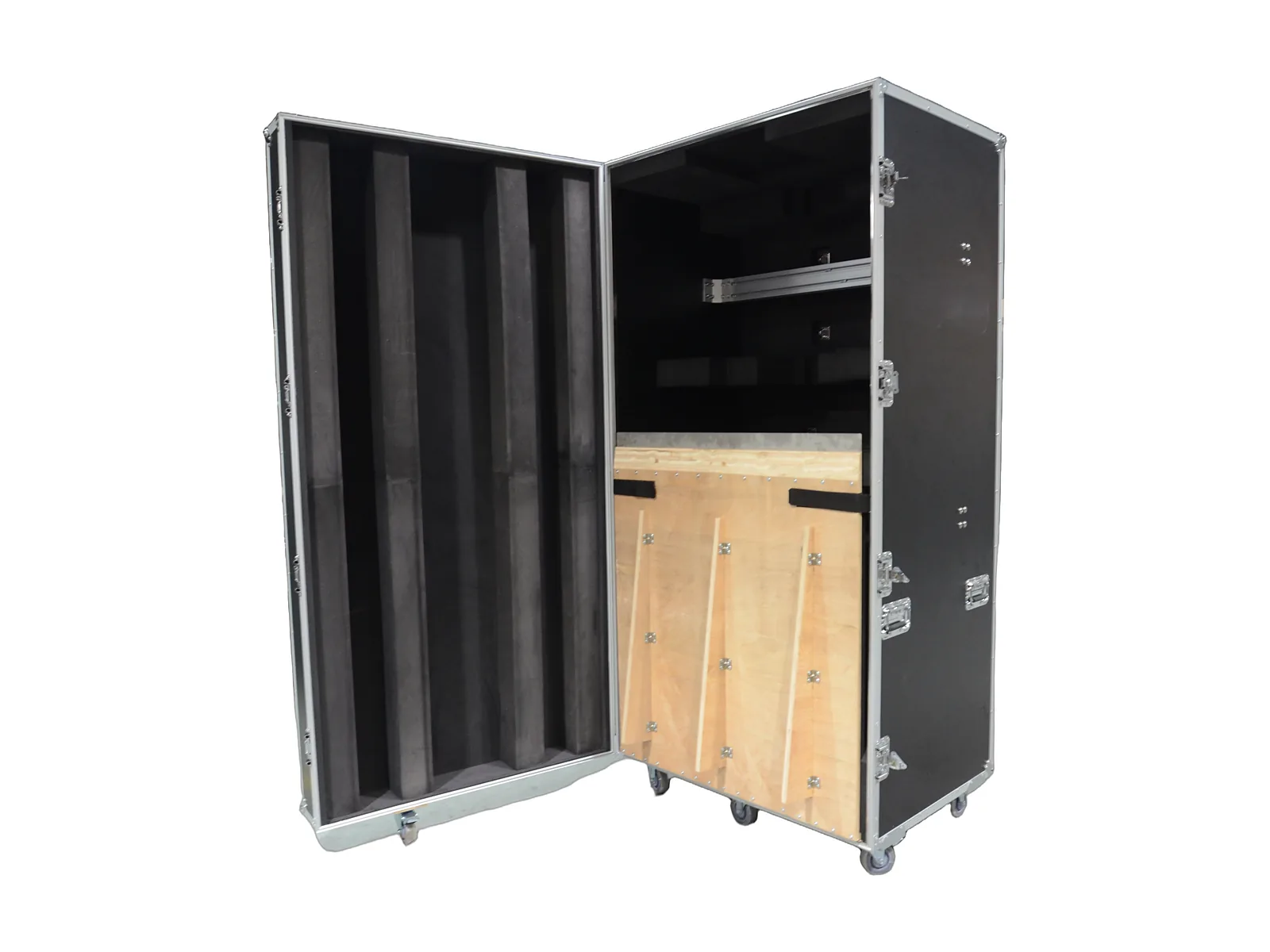
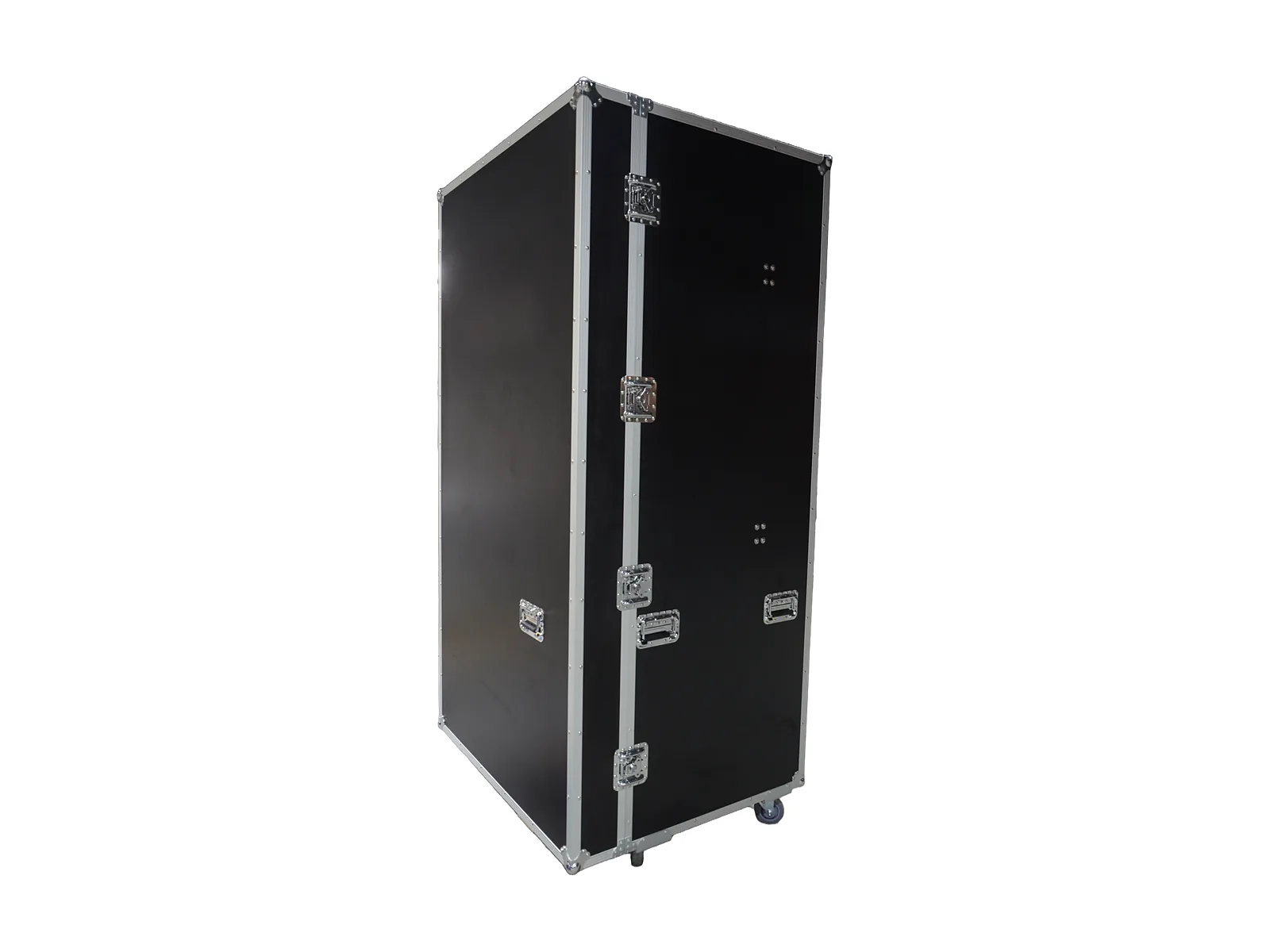
A customer with an industrial robot (dimensions 945 × 1450 × 2050 mm, weight ~220 kg) needed a solution to safely store and transport the equipment. The project required wrapping the robot with EVA foam to prevent direct contact with the flight case interior walls during transit. To address the risk of movement due to the robot’s weight, a metal bracket was attached to the back of the case to secure the robot in place. The robot was carefully loaded into the case using a custom loading ramp, avoiding potential damage from forklifts or other loading methods. The final design used a 30 × 30 mm right-angle anodized aluminum frame with a 12 mm multi-layer board structure to ensure stability and protection.
Frequently Asked Questions
Will the location of the opening on the flight case affect the installation and removal of the equipment?
The position of the opening on the flight case can significantly impact how easily your equipment can be installed and removed. When placing your RFQ, make sure to specify the space requirements for equipment entry and exit. It's recommended to verify the alignment between the opening location and your equipment's interface using a design drawing to ensure smooth installation and removal.
Do you need to add extra support structures inside the flight case?
If your equipment is at risk of shifting during transport, it's recommended to specify in your RFQ whether you need a reinforced bottom plate or side support brackets. These structures can help prevent damage from vibrations. The specific configuration should be determined based on the equipment's weight and how it will be secured.
Will the front opening size of the flight case affect the ability to slide or pull out the equipment?
The front opening size should be confirmed based on the lateral space available for equipment entry and exit. If the opening is too narrow, it may cause installation difficulties. It's recommended to verify the compatibility between the opening size and the equipment interface in the design drawing to ensure smooth sliding or pulling of the equipment.
Does the rear opening location of the flight case affect equipment removal?
The rear opening should provide sufficient space for accessing the back of the equipment to prevent obstruction due to a too-small opening. It's recommended to verify the rear opening size against the equipment's rear interface using a design drawing to ensure smooth removal.
Do I need to install a ramp inside the flight case to make loading and unloading heavy equipment easier?
If your equipment is heavy or requires frequent loading and unloading, it's advisable to specify in your RFQ whether a ramp is needed. The ramp's angle and installation location should match the equipment's interface to ensure safe and convenient handling.
Why Choose CX Case
CX Case works as a custom case supplier and sourcing partner for overseas B2B buyers. Our role is to turn equipment dimensions, storage goals and brand requirements into a practical case solution.
- Custom Design Support
- OEM Project Support
- Flexible Foam Customization
- MOQ Options Per Project
- Export Packing Experience
- Clear Quotation Follow-up
Looking for an aluminum flight case?
When your equipment list, dimensions and handling conditions are ready, share them with our team and we will help you confirm the case, interior and hardware options for your aluminum flight case project.
